Integrating Cameras into Smart Home Ecosystems
Creating a cohesive security network with advanced triggers, AI detection, and cross-platform compatibility.
Beyond Isolated Recording
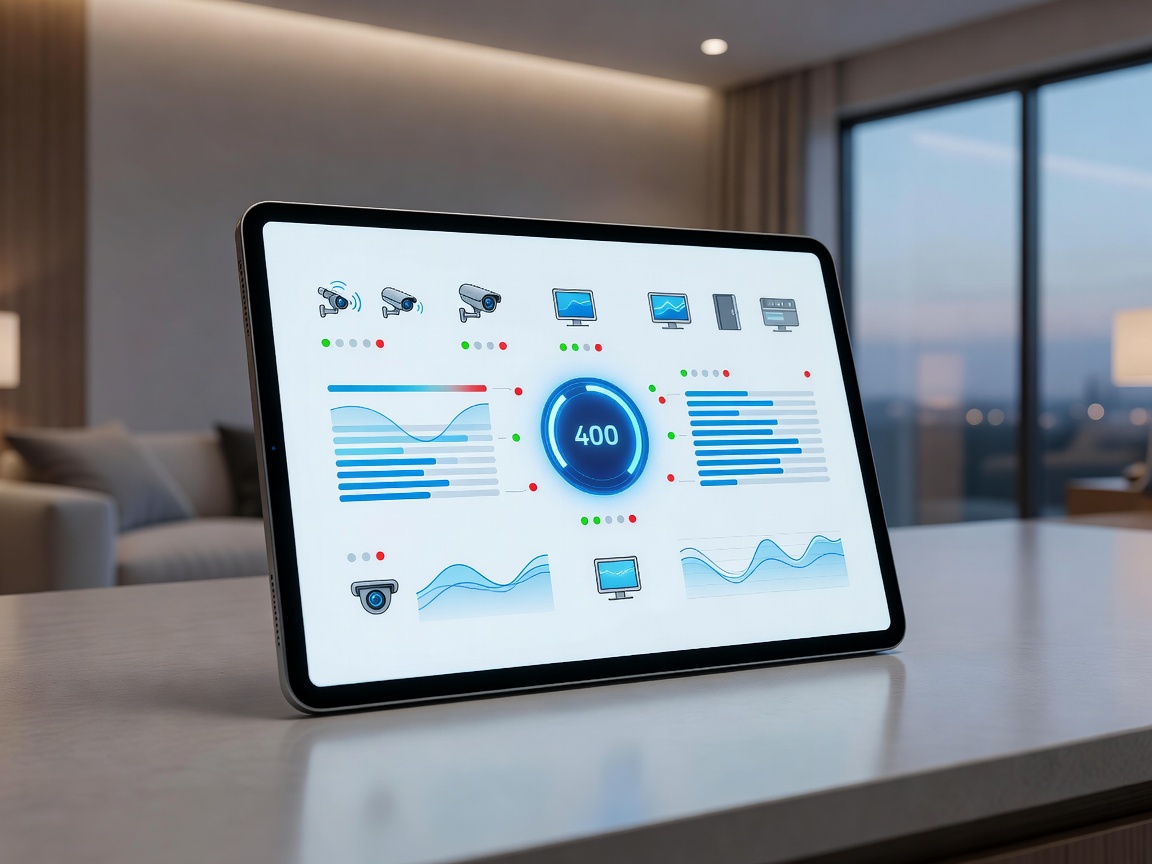
A security camera operating in isolation is merely a recording device. When properly integrated into a broader smart home ecosystem, it transforms into an active participant in your property’s automation and defense logic. Modern outdoor cameras can communicate with smart lights, locks, voice assistants, and custom automation servers to create a responsive environment that reacts to physical events in real-time.
Voice Assistants and Smart Displays
The most common layer of integration involves popular voice assistants like Amazon Alexa and Google Assistant. Cameras compatible with these ecosystems can cast their live video feeds directly to smart displays or smart TVs. With a simple voice command, users can pull up the driveway camera on a kitchen display while cooking, or check the backyard perimeter on a living room TV.
This integration also extends to routines. For example, a routine can be programmed so that if an outdoor camera detects motion after 11 PM, the system automatically announces the event through smart speakers indoors.
ONVIF and RTSP: The Open Standards
For advanced users and enterprise setups, proprietary ecosystems are often too restrictive. This is where ONVIF (Open Network Video Interface Forum) and RTSP (Real-Time Streaming Protocol) become crucial. These open standards allow cameras from different manufacturers to communicate with third-party Network Video Recorders (NVRs) or software platforms like Blue Iris, Home Assistant, or Synology Surveillance Station.
- ONVIF: Standardizes the communication protocol, allowing an NVR to control a camera's Pan-Tilt-Zoom (PTZ) functions and adjust settings regardless of the brand.
- RTSP: Allows the raw video stream to be pulled from the camera and injected into custom dashboards, websites, or local recording servers.
AI Detection as Automation Triggers
The real power of smart integration lies in using AI-driven video analytics as a trigger for automation. Basic pixel-based motion detection is prone to false alarms from swaying trees or passing shadows. Modern outdoor cameras utilize edge-based AI to differentiate between people, vehicles, and animals.
By integrating these specific AI events into a smart home hub via platforms like IFTTT (If This Then That) or Home Assistant, users can build highly specific logic flows:
- Vehicle Detection: If the driveway camera detects a vehicle, automatically turn on the exterior garage lights.
- Person Detection: If a person is detected by the back door camera when the house is armed, instantly lock the smart deadbolt and flash the patio lights red.
- Animal Detection: Filter out animal alerts so smartphones do not receive push notifications when the neighborhood cat crosses the lawn at 3 AM.
Cloud vs. Local Control
When designing a smart home security setup, it is vital to understand the difference between cloud-dependent integration and local API integration. Cloud integrations require an active internet connection to process commands (e.g., the camera sends data to an external server, which then sends a command back to your smart lights). Local integration processes everything on your local network. Local processing is significantly faster, more private, and continues to function even if the internet service provider goes down.